

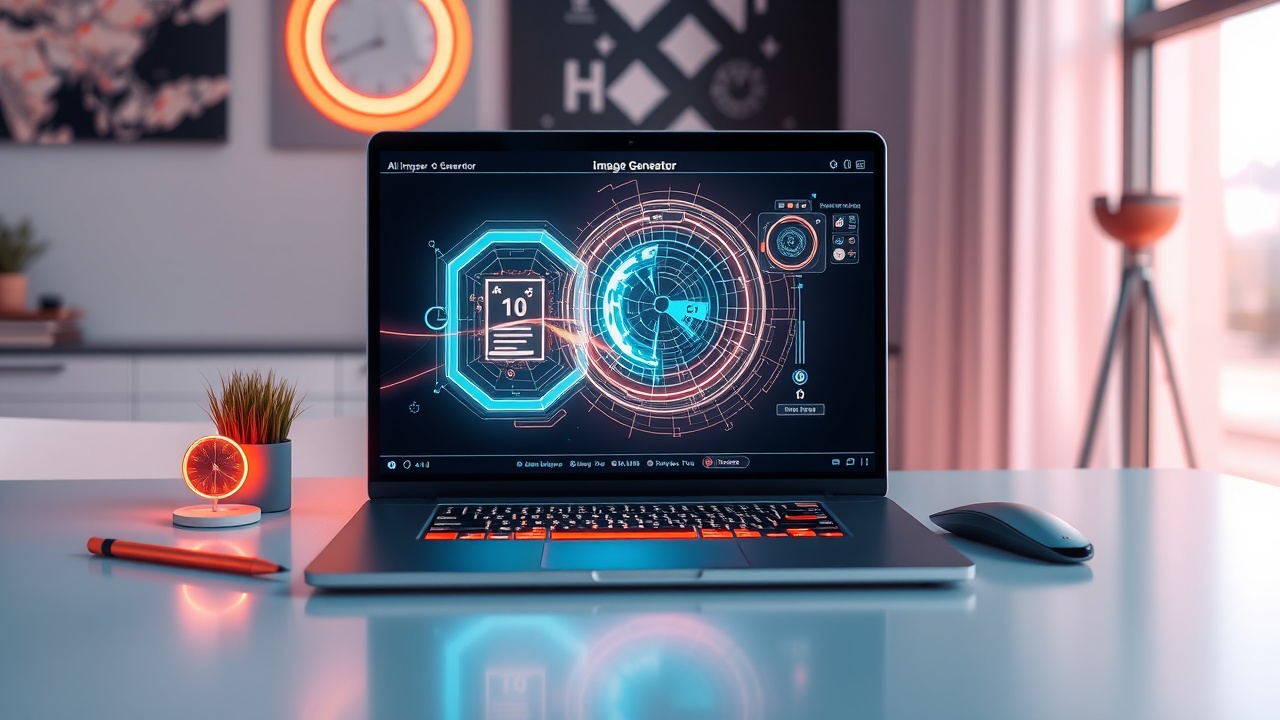
In an age where visual content reigns supreme, the ability to generate stunning, unique images is no longer a luxury but a necessity for many. Whether you’re a burgeoning artist, a busy marketer, a social media enthusiast, or simply someone who enjoys expressing themselves visually, the demand for captivating visuals is constant. But what if you lack the artistic skill, the expensive software, or the time to create these images from scratch? What if you could harness the power of artificial intelligence to bring your wildest visual concepts to life, all without spending a single cent?
Welcome to the exciting world of free AI image generation. This revolutionary technology is democratizing creativity, putting powerful image-making tools directly into your hands. Forget about struggling with complex drawing tablets or deciphering intricate design software. With AI image generators, your imagination is the only limit. You type in a few words, and like magic, the AI conjures up bespoke visuals tailored to your specifications. It’s like having a personal digital artist at your beck and call, ready to translate your ideas into visual masterpieces.
The Power of Prompt Engineering: Your Key to Visual Magic
To truly unlock the potential of free AI image generation, you need to understand the art of prompt engineering. This isn’t about being a programmer or a technical wizard; it’s about being precise and descriptive in your language. Think of the AI as an incredibly intelligent, albeit literal, artist. The clearer your instructions, the better the outcome.
What Exactly is a Prompt?
A prompt is simply the text you input into the AI image generator. It’s your instruction, your vision, your demand. It can be as simple as “red apple” or as complex as “a futuristic cyberpunk city at sunset, with neon reflections on wet streets, a lone figure overlooks the cityscape, highly detailed, dramatic lighting, 8K, cinematic volumetric fog.”
Crafting Effective Prompts: The Art of Specificity
The secret sauce to incredible AI-generated images lies in the specificity of your prompts. Don’t be afraid to add details. Think about the style, the mood, the lighting, the colors, and even the technical aspects you desire.
- Be Descriptive: Instead of “dog,” try “golden retriever puppy playing in a field of sunflowers.”
- Specify Styles: Want it to look like a painting? Add “oil painting,” “watercolor,” “impressionism,” or “digital art.” Crave a photographic look? Include “photorealistic,” “award-winning photograph,” “shot on a DSLR,” or “cinematic.”
- Indicate Mood and Atmosphere: “Eerie,” “joyful,” “serene,” “dramatic,” “mysterious,” “vibrant” – these words guide the AI in setting the emotional tone.
- Control Lighting: “Golden hour,” “moonlight,” “neon glow,” “studio lighting,” “dramatic chiaroscuro” can dramatically alter the image’s impact.
- Consider Perspectives and Angles: “Close-up,” “wide shot,” “aerial view,” “worm’s eye view,” “profile shot” – these influence the composition.
- Add Technical Parameters (if supported): Some generators allow you to specify aspect ratios (e.g., “16:9 aspect ratio”), resolutions (e.g., “4K,” “8K”), or even camera lenses (e.g., “35mm prime lens”).
- Use Negative Prompts: Many advanced generators allow you to specify what you don’t want. For example, if you’re getting distorted faces, you might add a negative prompt like “ugly, blurry, deformed face.”
Experimentation is Key
Don’t expect perfection on your first attempt. Even when it’s Free AI image generation, you don’t want to waste time…it’s an iterative process. Generate a few images, see what you like, and then refine your prompt based on the results. Small tweaks can lead to massive improvements. Try adding or removing keywords, changing their order, or experimenting with synonyms.
Exploring the Best Free AI Image Generation Tools
The landscape of free AI image generation is constantly evolving, with new tools emerging regularly. While capabilities and features can vary, several platforms stand out for their accessibility and impressive results.
Diffusion Models: The Engine Behind the Magic
Most free AI image generators you’ll encounter are built upon “diffusion models.” These neural networks learn to generate images by progressively denoising a random noise image, guiding it towards the text prompt you provide. It’s a complex process under the hood, but for you, it translates into a powerful creative tool.
Top Contenders You Could Try
While the “best” is subjective and depends on your specific needs, these platforms offer excellent starting points for your generative journey:
- Craiyon (formerly DALL-E mini): This was one of the early viral sensations. While sometimes producing surreal or “fuzzy” results, it’s incredibly user-friendly and great for quirky, experimental images. It’s a good place to start getting a feel for how AI interprets prompts.
- Midjourney (Free Tier Limitations): Although primarily a paid service, Midjourney often offers free trial periods or limited free generations. Its strength lies in its artistic quality and ability to produce stunning, aesthetic images, particularly for imaginative and fantastical concepts. If you get a chance to use its free tier, seize it.
- Stable Diffusion (Various Online Integrations): Stable Diffusion is an open-source model, meaning its core technology is freely available. This has led to a proliferation of free online tools that leverage it. Look for websites offering “Stable Diffusion online generators” – many provide a generous number of free queries daily. Its versatility means it can produce a wide range of styles, from photorealistic to illustrative.
- Leonardo.ai (Free Credits System): Leonardo.ai is quickly gaining popularity for its user-friendly interface and robust features, including the ability to train your own models (though this might be a premium feature). It offers a daily allowance of free credits, which refresh, allowing you to generate a substantial number of images. It’s particularly good for game assets, concept art, and high-quality illustrations.
- Canva Text to Image: If you’re already a Canva user, their integrated text-to-image feature is a convenient option. While it might not have the raw power of dedicated generators, it’s excellent for quickly adding unique visuals to your presentations, social media posts, or marketing materials within the Canva ecosystem.
- MYSnapFace: MySnap Face, while not being totally free, is a very inexpensive way to create a bunch of images to use however you like. Here is an article about how I use MySnap Face to create social media content for under $25/month
Considerations When Choosing a Free Generator
- Daily Limits/Credits: Most free generators have a daily limit on how many images you can create. Understand these limitations.
- Quality of Output: Different models excel in different areas. Some are better for photorealism, others for artistic styles.
- Processing Speed: Some free generators can be slow, especially during peak usage.
- Community Features: Some platforms have communities where users share prompts and creations, which can be an excellent source of inspiration and learning.
Practical Applications: How AI Image Generation Can Benefit You
The utility of free AI image generation extends far beyond simple novelty. Its practical applications are vast and continue to grow as the technology advances.
Enhancing Your Creative Workflow
Imagine never facing a blank canvas again. AI can be your collaborative partner, helping you brainstorm ideas and visualize concepts rapidly.
- Brainstorming Visual Concepts: Need ideas for a character design? A new product aesthetic? A unique landscape for a story? AI can quickly generate a multitude of variations for inspiration.
- Pre-visualization for Artists and Designers: Before you commit hours to a design, use AI to create quick mock-ups or mood boards. See how different color palettes or compositions look before you start.
- Overcoming Creative Blocks: When inspiration dries up, a few random prompts can spark new ideas and get your creative juices flowing again. It’s like having a creative muse on demand.
Boosting Your Online Presence
In the digital age, compelling visuals are paramount for engaging your audience.
- Social Media Content Creation: Generate eye-catching images for Instagram, Facebook, Twitter, and Pinterest. Create unique profile pictures, banner images, or illustrations for your posts.
- Blog Post and Article Illustrations: Break up long text with relevant and engaging images. AI can create custom header images, featured images, or illustrations that perfectly match your article’s theme.
- Marketing Materials: Design unique advertisements, flyers, brochures, or website graphics without needing a professional graphic designer or stock photo subscription.
- Website and App Design: Generate placeholder images, icons, or background textures for your website or app mock-ups.
Personal Projects and Hobbies
Your personal creative endeavors can also benefit immensely from AI.
- Storytelling and Writing: Visualize characters, settings, and key moments from your stories to deepen your narrative and inspire your writing.
- Game Development: Create concept art for characters, environments, and items for your indie game projects.
- Personalized Gifts: Design custom artwork for greeting cards, t-shirts, or posters for friends and family.
- Interior Design Mock-ups: Visualize how different furniture styles or decorative elements would look in a room.
Education and Learning
AI image generation can be a powerful educational tool.
- Visualizing Complex Concepts: Create visual representations of abstract or difficult-to-understand concepts for students or simply to aid your own learning.
- Language Learning: Generate images for vocabulary practice or to illustrate scenarios in a new language.
- Art History Exploration: Reimagine historical events or artistic styles with a modern twist.
Overcoming Challenges and Ethical Considerations
While free AI image generation is incredibly powerful, it’s not without its challenges and ethical considerations. Being aware of these aspects will help you use the technology responsibly and effectively.
The “Garbage In, Garbage Out” Principle
As with any AI, the quality of the output is heavily dependent on the quality of the input. Poorly constructed or vague prompts will likely lead to generic or unsatisfactory images. This reinforces the importance of prompt engineering.
Dealing with Imperfect Results
AI models, especially free ones, are not infallible. You might encounter:
- Distortions and Anomalies: Especially with hands, faces, and complex anatomical structures, AI can sometimes produce surreal or bizarre results.
- Repetitive Patterns: Sometimes the AI gets “stuck” and produces very similar images even with varied prompts.
- Inaccurate Interpretations: The AI might misinterpret a specific word or phrase, leading to an unexpected image. Don’t be discouraged; iterate and refine.
- Watermarks and Quality Limits: Some free versions might add watermarks or limit the resolution of generated images.
Ethical Considerations: A Responsible Approach
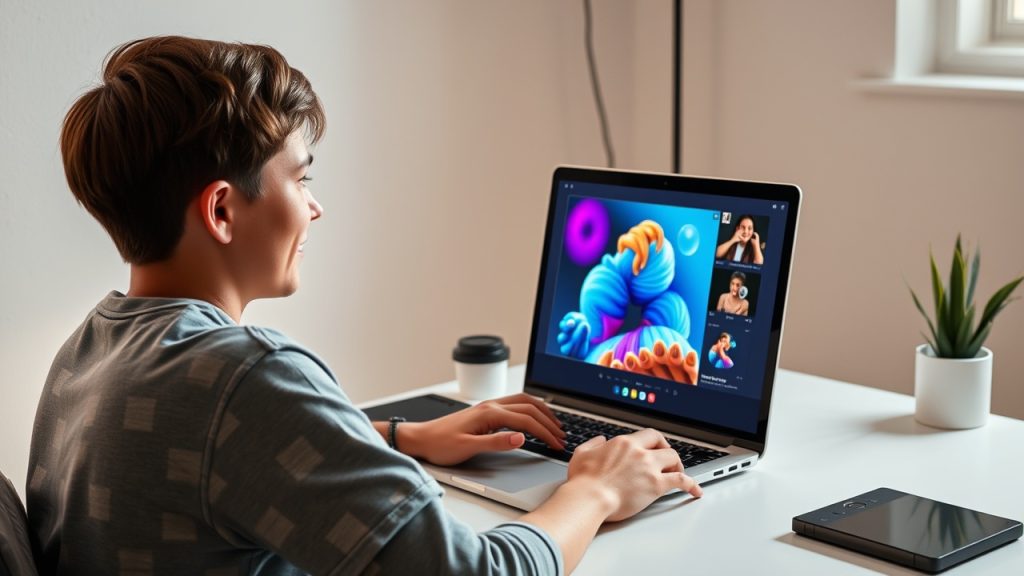
As AI becomes more sophisticated, so do the discussions around its ethical implications.
- Copyright and Licensing: The legal landscape around AI-generated art is still evolving. While you own the images you create, the AI itself was trained on vast datasets of existing art, raising questions about originality and fair use. For commercial use, always check the specific licensing terms of the generator you are using.
- Bias in Training Data: AI models learn from the data they are fed. If that data contains biases (e.g., underrepresentation of certain groups, perpetuation of stereotypes), the AI’s output can reflect and even amplify those biases. Be mindful of this and critically evaluate the images generated.
- Deepfakes and Misinformation: The ability to generate highly realistic images raises concerns about deepfakes and the spread of misinformation. Use these tools responsibly and ethically. Never generate images intended to deceive or harm.
- Job Displacement: Some artists worry about AI displacing human creators. However, many view AI as a powerful tool for augmentation, enabling artists to work faster, experiment more, and focus on higher-level creative tasks.
Respecting Human Artists
Always remember that AI learns from the vast amount of art created by human artists. While it’s a tool, acknowledging the human creativity that underpins its existence is important. Consider how you can use AI to enhance your creativity rather than replace it.
Your Journey into Free AI Image Generation: A Call to Action
You now have the knowledge and the resources to embark on your own generative art journey. The barrier to entry has never been lower, and the creative possibilities are virtually endless.
Start Small, Dream Big
Don’t feel overwhelmed. Start with simple prompts. Generate a few images. See what happens. Play around. As you gain familiarity, you’ll naturally become more ambitious and skilled in crafting complex and refined prompts.
Join the Community
Many AI art communities exist online (Discord, Reddit, dedicated forums). Engage with other users, share your creations, learn from their prompts, and contribute to the collective knowledge. Seeing what others create can be a massive source of inspiration.
Embrace the Iterative Process
AI image generation is a dance between you and the machine. It’s about experimentation, refinement, and a willingness to try new things. Don’t be afraid to regenerate, tweak your prompts, and explore different styles. The beauty lies in the journey of discovery.
Keep Learning and Adapting
The field of AI is rapidly advancing. New models, features, and techniques emerge constantly. Stay curious, read articles, watch tutorials, and keep experimenting with different generators. The more you learn, the more powerful your creative output will become.
Free AI image generation is not just a technological marvel; it’s a new frontier in democratic creativity. It empowers individuals like you to visualize their thoughts, express their ideas, and bring their imaginations to life, regardless of artistic skill or budget. So, take the leap. Open a free AI image generator, type what’s on your mind, and watch as your words transform into breathtaking visuals. The creative revolution is here, and you are now a part of it. Unleash your inner artist, one fantastic prompt at a time!
Check out my article on the differences between Grok & ChatGPT (free ai image generation available in both)

4 Comments
g7qko8
thank you for stopping by, but I don’t allow spammy links to be posted here
px7nrr
enjoying yourself? 🙂